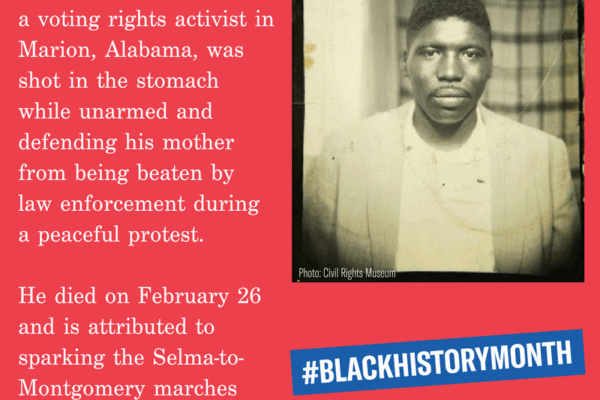
ACLU Archives: The Enduring History of the Civil Rights Movement
The Civil Rights Movement marked an intense period of racial tension and violence, as Black communities organized to fight for equal rights, justice, and human dignity. While the impact of this movement spanned the nation, there's a reason Alabama is called the "birthplace of civil rights." From the spawning of Dr. Martin Luther King’s influence, to Rosa Parks and the Montgomery Bus Boycott, to the Selma-to- Montgomery march, the Freedom Riders, and the bombing of the 16th Street Baptist Church in Birmingham—this state has been witness to great tragedy and great triumph.
However, that fight has not ended. Black communities in Alabama are still disproportionately affected by socio-economic conditions that enable lack of equity through education, discriminatory employment practices, a racially charged criminal justice system, and voter disenfranchisement.
We will be highlighting moments from the Civil Rights Movement, both in Alabama and across the Southeast, in order to discuss the forces that are still perpetuating these racial disparities today.
Related Content
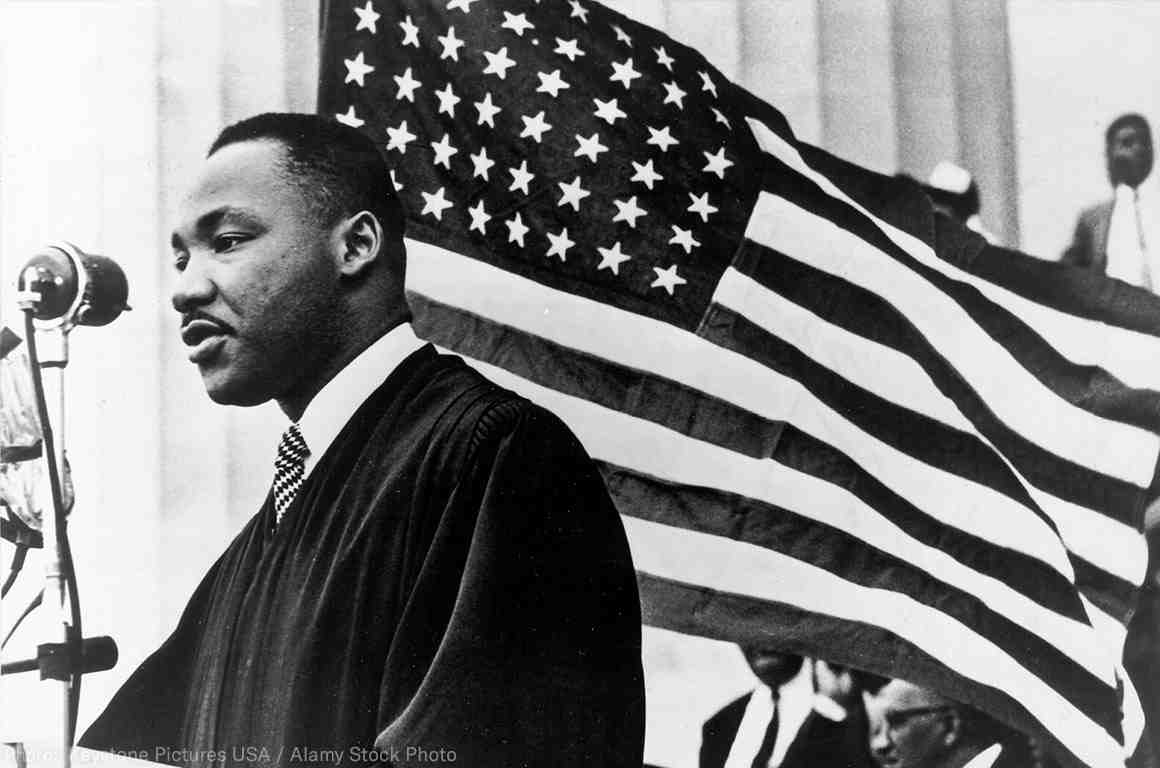
50 Years After MLK’s Assassination, We Remain Two Societies, ‘Separate and Unequal’
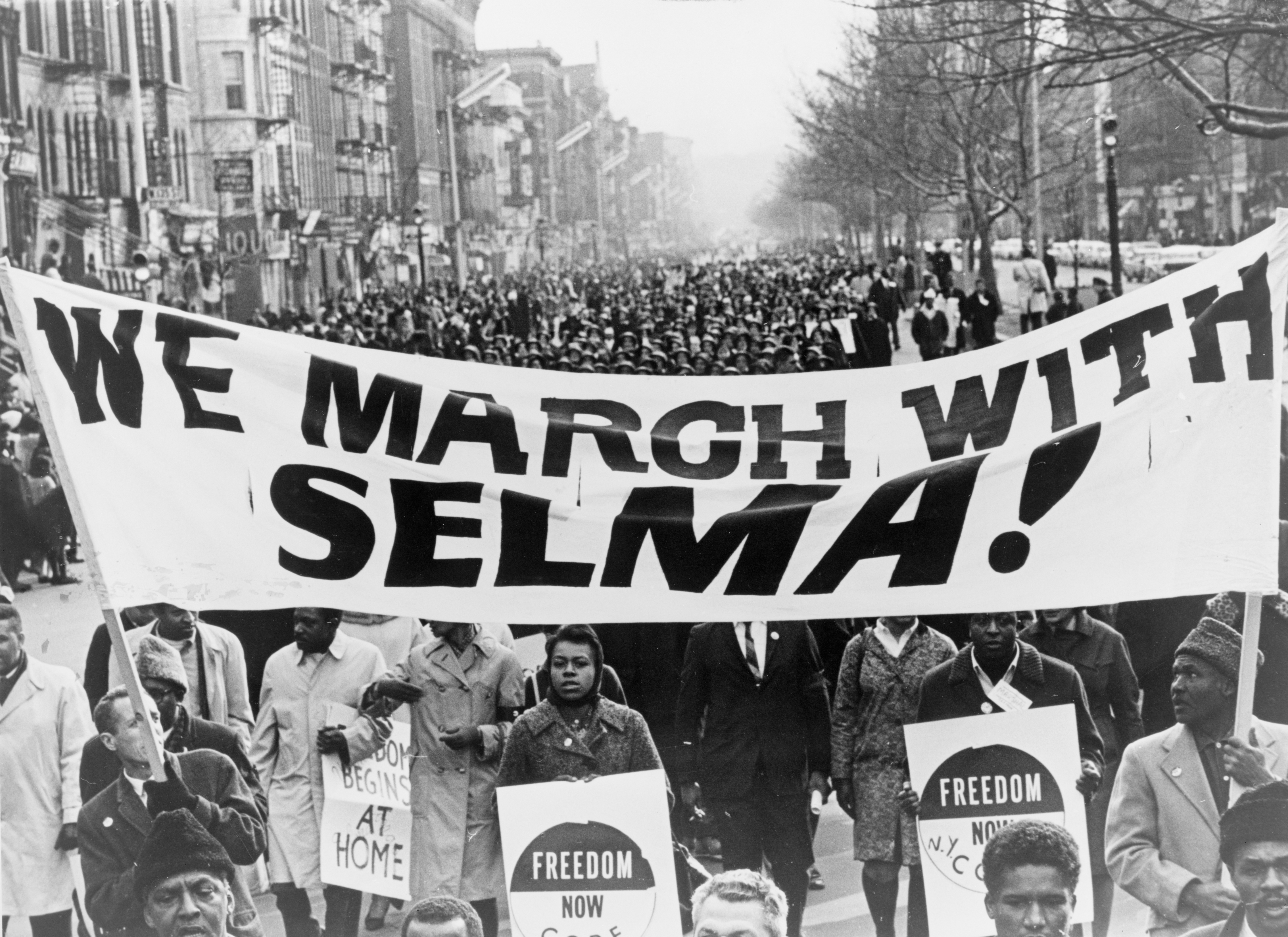
ACLU Archives: Selma-to-Montgomery Marches
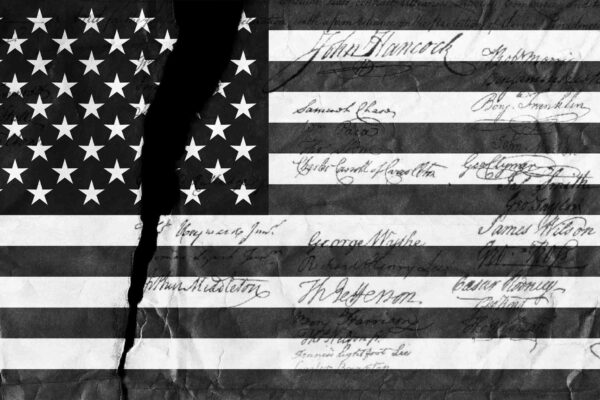
Five Truths about Black History