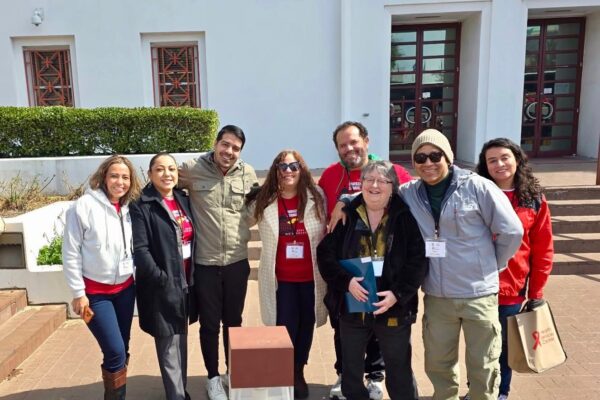
On a recent Saturday, community members gathered for a Lobbying 101 training hosted in partnership with CALA, a Latinx LGBTQ organization that advocates for health and wellbeing in our communities. People came from across Alabama—some stepping into this space for the first time, others returning with experience—each with a shared goal: to better understand how to engage with lawmakers and make their voices heard.
The training created space for learning, but also for confidence to grow. Participants walked through the basics of lobbying—how to communicate with legislators, how to share personal stories with clarity and purpose, and how to advocate for policies that strengthen our communities. Through role-playing exercises, they practiced what it looks like to have both welcoming and difficult conversations with elected officials. They also discussed current legislation impacting immigrant and LGBTQ communities across the state.
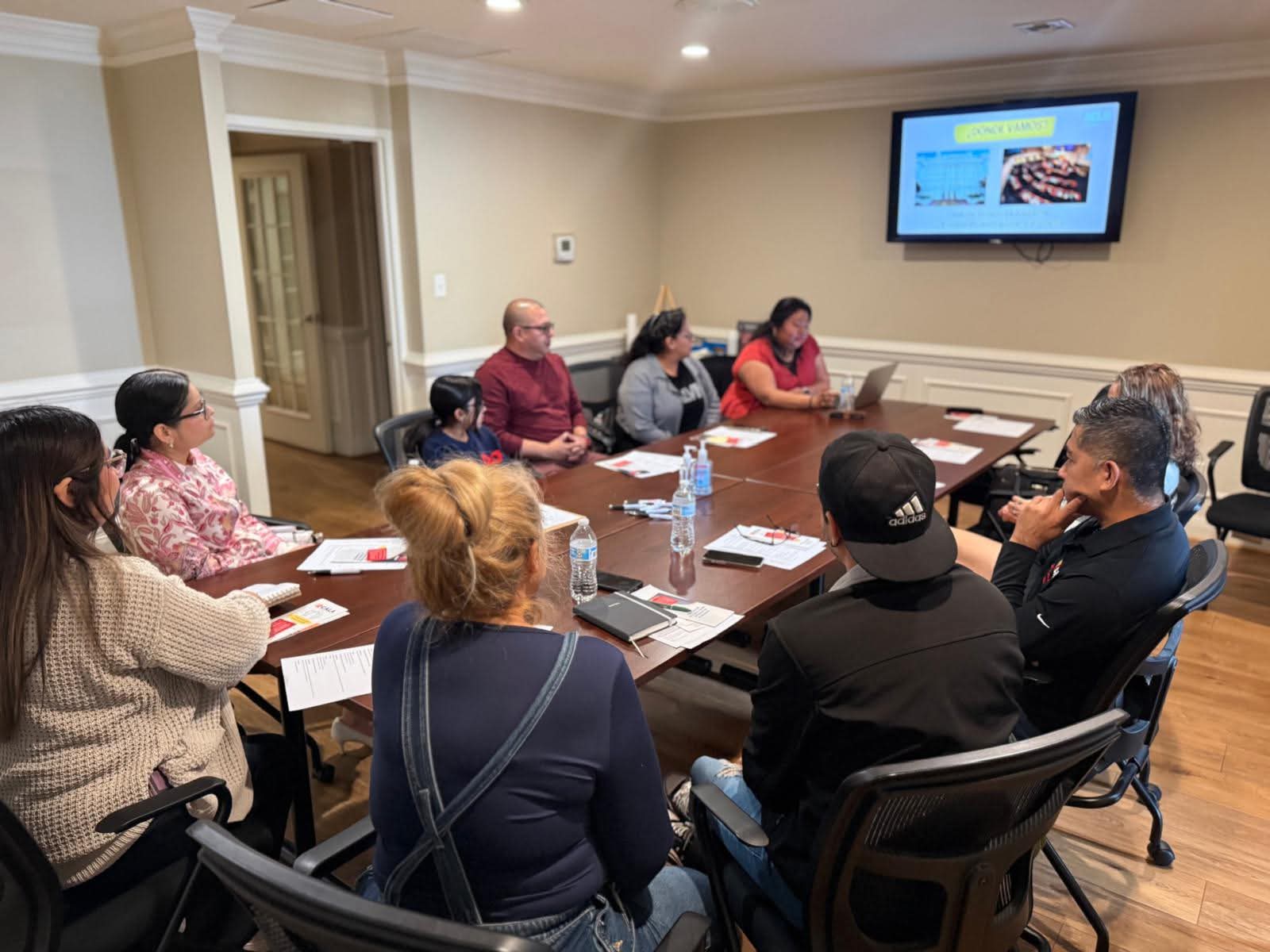
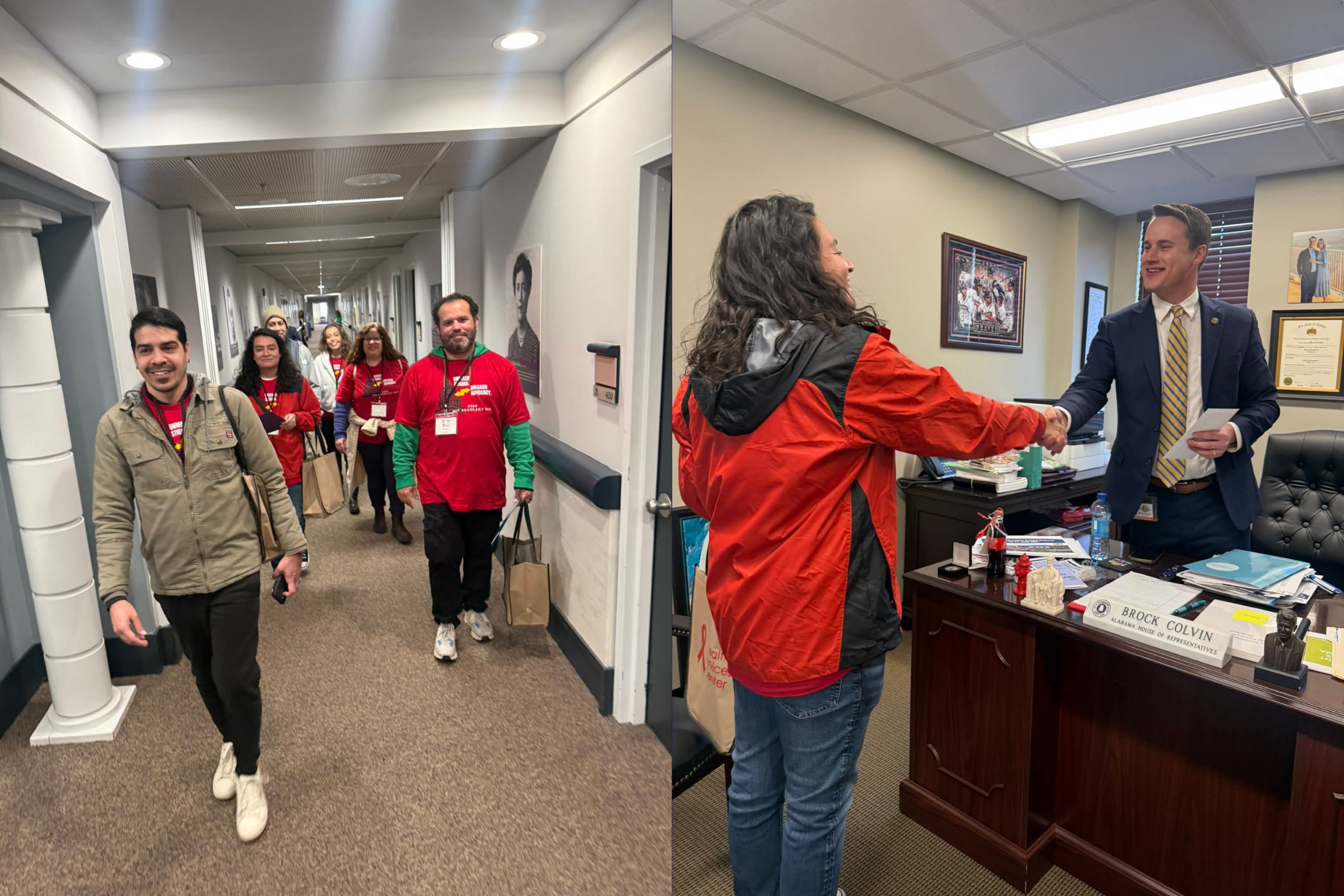
But the most powerful part came after. Just days later, many of those same participants traveled to the Alabama State House for a Lobby Day. What had started as a training quickly became action as newly confident community members stepped into the halls of government and spoke directly with lawmakers about issues affecting their lives, their families, and their futures.
This is what building a pipeline of everyday Alabamians into advocacy looks like. It starts with access to information. It grows through practice and support. And it leads to people showing up— not just for themselves, but for each other.
What we are seeing across Alabama is a growing group of community members who are not limiting their advocacy to a single issue. The same people who show up for immigrant rights are also showing up for criminal legal reform, for voting rights, for gender justice. They are recognizing that our struggles are connected, and that real change happens when we stand together.
That diversity matters. When more voices are in the State House—voices that reflect the full landscape of Alabama—our democracy becomes stronger. Lawmakers hear directly from the people most impacted. Communities that have historically been left out of decision-making spaces begin to shape the conversations that affect their lives.
What stood out most from this experience was the sense of ownership. Participants didn’t just attend a training. They stepped into their role as advocates. Many shared that they want to continue building this momentum and create more opportunities for others— especially young people— to learn how to engage, speak up, and lead. There is a growing desire to bring youth into these spaces, to ensure the next generation understands not only how decisions are made, but how they can influence them.
This training was a reminder that advocacy does not belong to a select few. It belongs to all of us. Immigrant communities continue to show up, learn, and lead. They are not only advocating for themselves, but also working to create a stronger, more just Alabama for everyone.