
Know Your Rights: Demonstrations and Protests
Last updated: June 1, 2020 03:15 pm
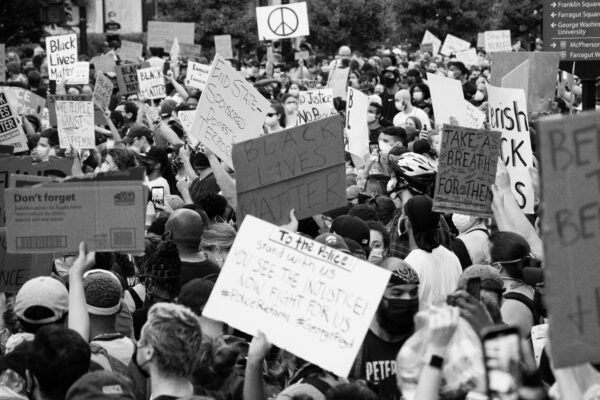
The First Amendment protects your right to assemble and express your views through protest. But it is also unfortunately true that governments and police can violate this right – through the use of mass arrests, illegal use of force, criminalization of protest, and other means intended to thwart free public expression.
Also, police and other government officials are allowed to place certain narrow restrictions on the exercise of speech rights.
Standing up for your right to protest can be challenging, especially when demonstrations are met with violence. But knowing your rights is the most powerful weapon you have against police abuse.
Watch our team discuss ongoing Alabama protests during the COVID-19 pandemic and your rights when protesting.
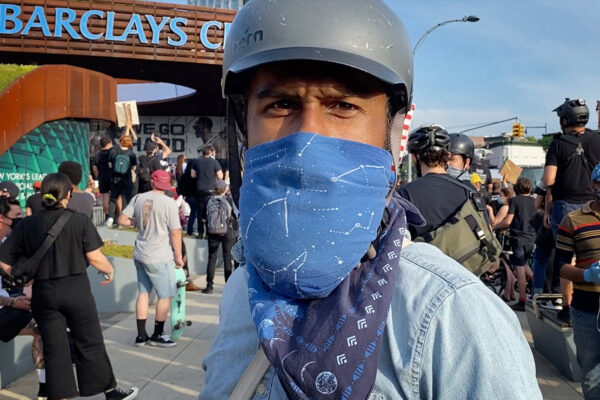
In this video taken during Summer 2020 at a protest in Brooklyn, New York, Emerson Sykes, staff attorney for the ACLU’s Speech, Privacy, & Technology Project, shares important information on how to protect yourself and others while protesting – and what rights you have when interacting with police.
You can also read on to learn what you need to know before heading out to exercise your constitutionally protected right to protest.
Start by choosing a scenario below.
Related Content
Know Your Rights: Protesting Police Brutality
![KYR: If Protesting [Infographic]](https://www.aclualabama.org/app/uploads/2018/01/kyr-protests.jpg)
Stay Informed
Sign up to be the first to hear about how to take action.
By completing this form, I agree to receive occasional emails per the terms of the ACLU’s privacy statement.
By completing this form, I agree to receive occasional emails per the terms of the ACLU’s privacy statement.