News & Commentary
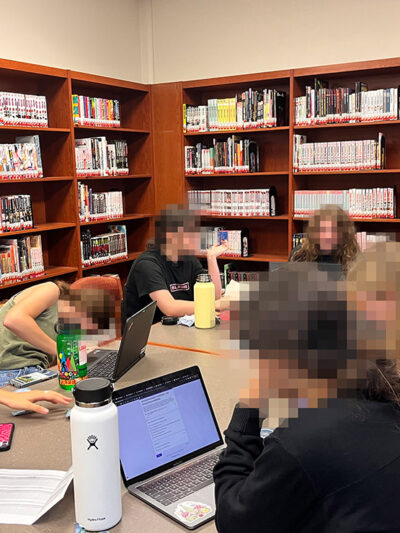
How to Start a Banned Book Club
Ella Scott, student and co-founder of her high school’s Banned Book Club, tells us what inspired her to take action and shares advice on how to combat book bans in your own school.
February 2022: Emergency Lege Update
Lawmakers are in a hurry to attack our constitutional rights and promote government overreach in limiting healthcare options for Alabamians, just to pander to their base ahead of primaries in May.
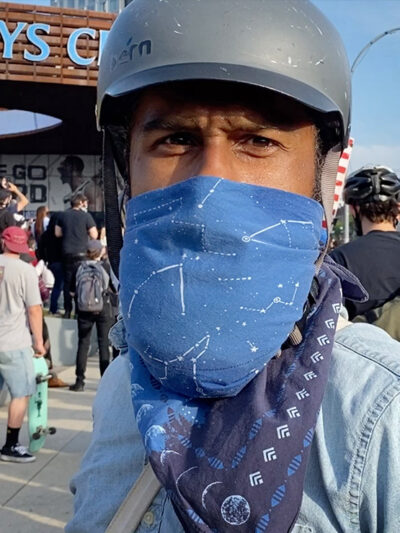
Know Your Rights: Protesting Police Brutality
The right to protest is fundamental to our democracy and enshrined in the First Amendment to the U.S. Constitution. In response to the death of George Floyd at the hands of Minneapolis police, people across the country have taken to the streets to demand racial justice and an end to police brutality and systematic racism against Black people.Especially in the time of COVID-19, it’s important to know your rights and stay safe while protesting. In this video taken over the weekend at a protest in Brooklyn, New York, Emerson Sykes, staff attorney for the ACLU’s Speech, Privacy, & Technology Project, shares important information on how to protect yourself and others while protesting – and what rights you have when interacting with police.
Religious Education Belongs At Home, Not Public Schools
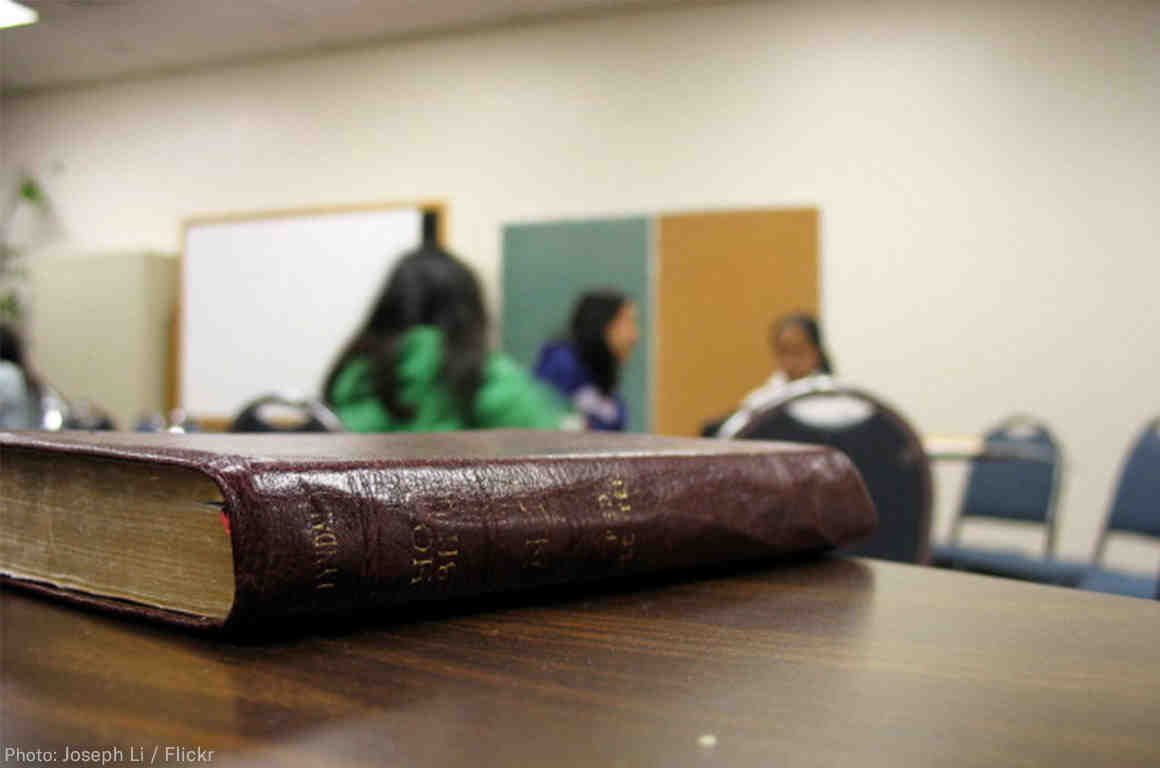
As enshrined in the First Amendment, religious freedom includes two complementary protections: the right to religious belief and expression and a guarantee that the government neither prefers religion over non-religion nor favors particular faiths over others.
By Dillon Nettles
There’s No Such Thing as a Right Not to be Called a Nazi
For years, Gavin McInnes has spewed bigoted views on everything from race and religion to gender and immigration. He has described a transgender person as “[a] hideous man who thinks he’s a woman;” claimed that “Muslims can rape children with reckless abandon;” and argued that a Black man who is “mistaken for a homeless man,” should be “mad” not at the person who mischaracterizes him, but “at all the homeless black men who . . . created this stereotype in the first place.” As a result, McInnes has made quite a name for himself.
By Vera Eidelman, Staff Attorney, ACLU Speech, Privacy, and Technology Project

Voters beware: Amendment one is a wolf in sheep's clothing
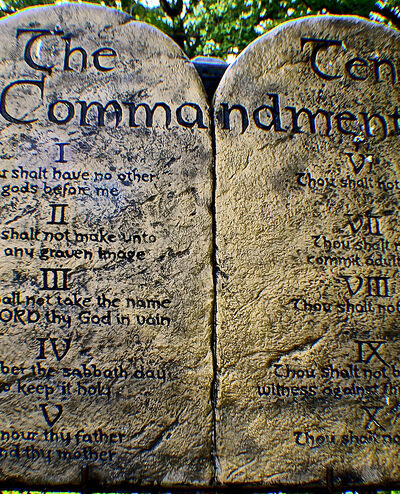
Amendment 1 purports to allow public bodies, including public schools, to display the Ten Commandments on government property. But, there’s a huge catch that legislators are hoping voters won’t notice.
By Randall Marshall
The Supreme Court Ignores the Reality of President Trump’s Discriminatory Muslim Ban
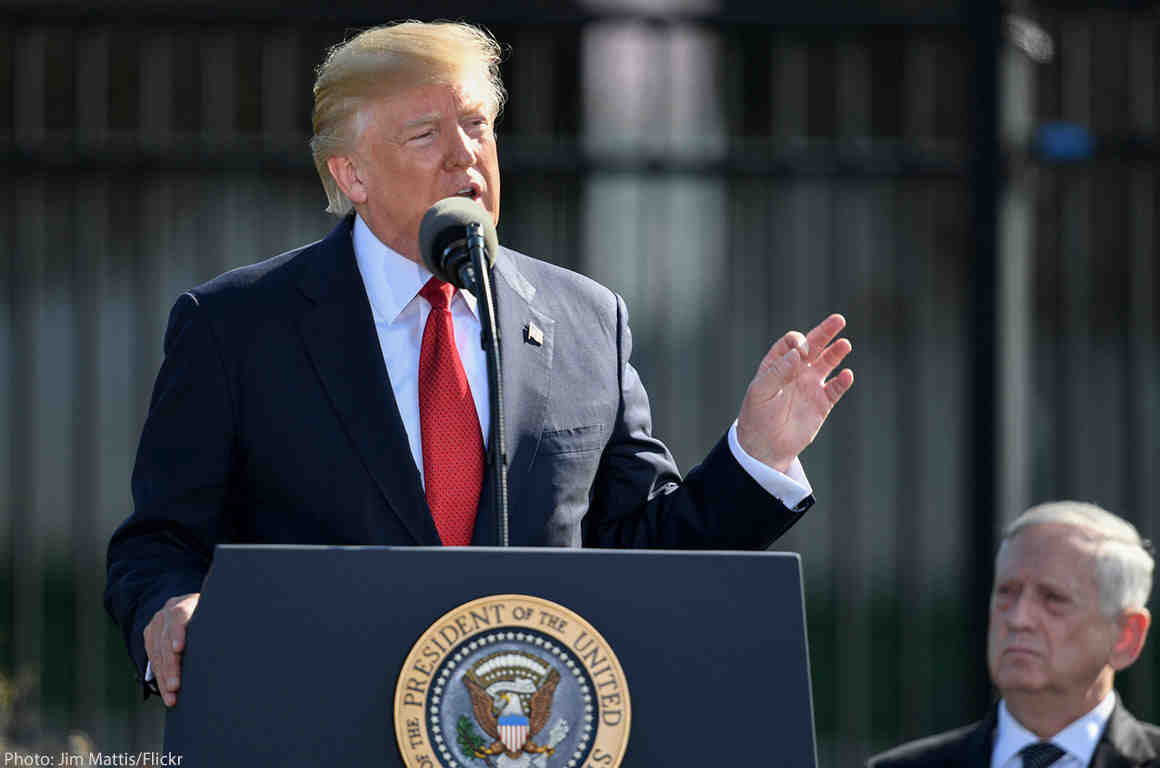
The Supreme Court today rejected the challenge to President Trump’s Muslim Ban. In its 5-to-4 decision, the court failed to make good on principles at the heart of our constitutional system — including the absolute prohibition on official disfavor of a particular religion.

Action Alert: Ten Commandments bill in House
Last week, a committee passed SB181, a bill that would allow display of the Ten Commandments on public property and in public schools. It now moves to the floor in the Alabama House, which could debate it as early as tomorrow, March 13. It has already passed in the Senate, so if it passes in the House, it will be on the ballot in November.

Washington Markup: Discrimination Is the Big Winner in the Justice Department's New Religious Guidelines
The Department of Justice today issued religious-liberty guidelines for all federal agencies, and anyone who values equality for all and the separation of church and state should be deeply disturbed by the message the guidelines send.
By Heather L. Weaver
Stay Informed
Sign up to be the first to hear about how to take action.
By completing this form, I agree to receive occasional emails per the terms of the ACLU’s privacy statement.
By completing this form, I agree to receive occasional emails per the terms of the ACLU’s privacy statement.