
News & Commentary
ACLU Archives: Selma-to-Montgomery Marches
The march from Selma-to-Montgomery, led by Martin Luther King, Jr., is an iconic and memorable moment during the Civil Rights Movement and in U.S. History, but to understand its significance in time, it is helpful to place it in context with the South's resistance to racial integration.
By Rebecca Seung-Bickley, Iesha Brooks
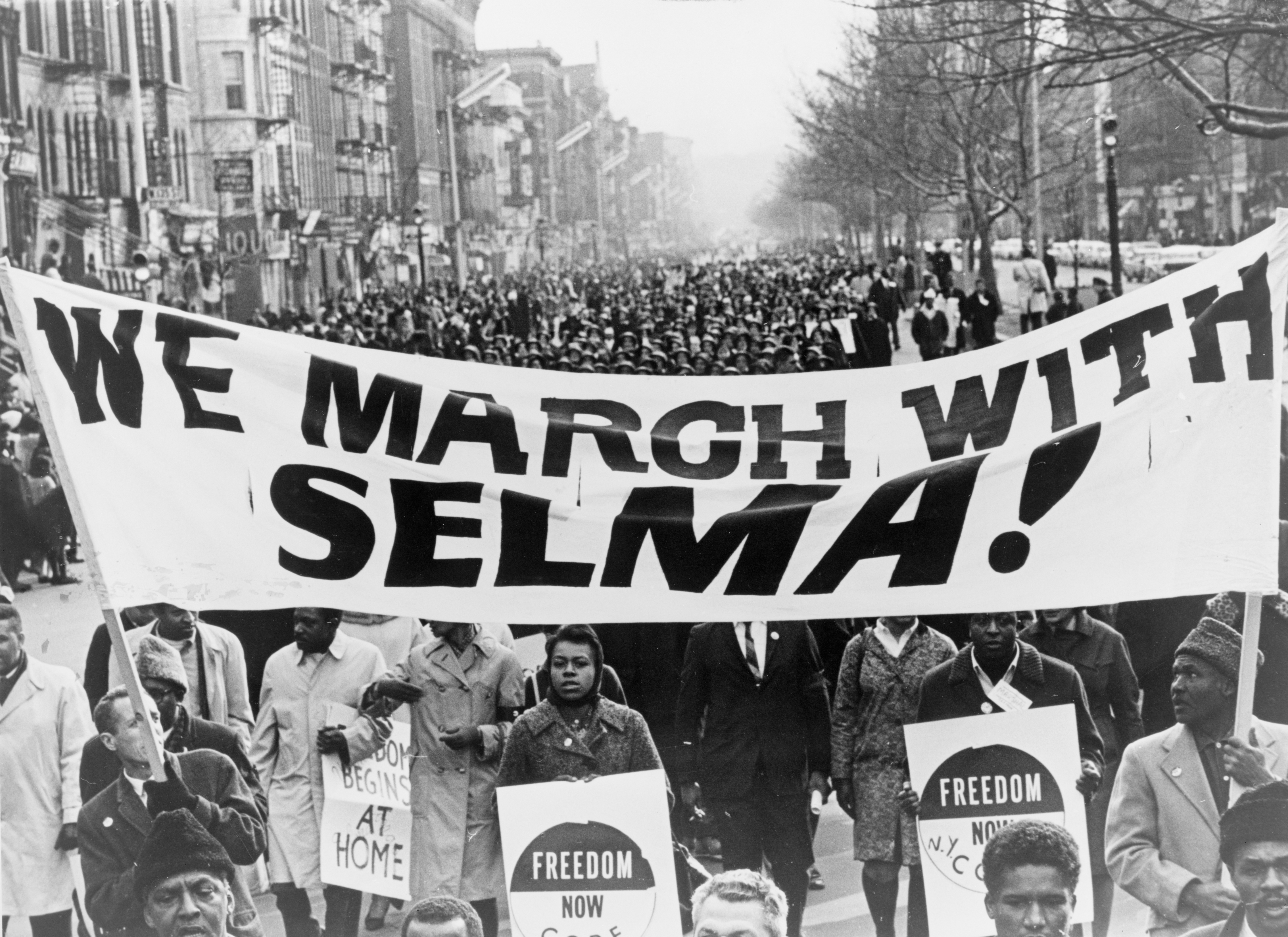
Five Truths about Black History
If we want to understand the state of race in America, we need to know our past – particularly the painful parts.
By Jeffery Robinson
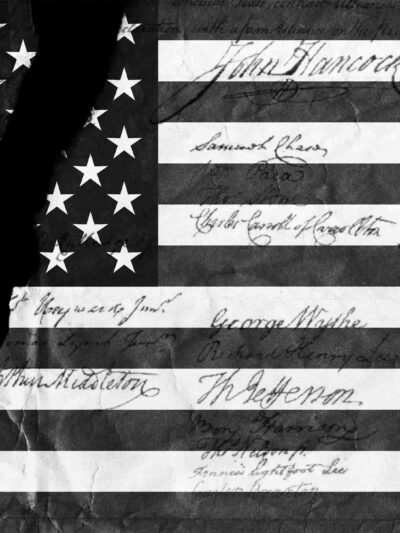
ACLU Archives: Jimmie Lee Jackson
On February 18, 1965, Jimmie Lee Jackson was shot in the stomach while unarmed and defending his mother from being beaten by law enforcement during a peaceful protest. He died on February 26 and is attributed to sparking the Selma-to-Montgomery marches that set the stage for the Voting Rights Act.
By Rebecca Seung-Bickley
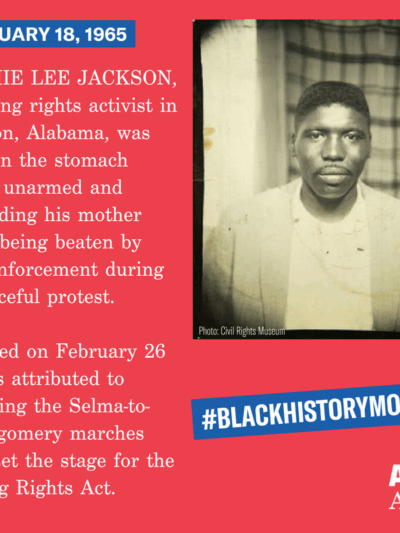
ACLU Archives: Orangeburg Massacre
50 years ago today, in Orangeburg, South Carolina, nine White highway patrolmen opened fire on a group of unarmed Black college students who were peacefully assembled to protest a bowling alley's refusal to allow them service. This use of excessive force killed three students and wounded 27 others.
By Iesha Brooks
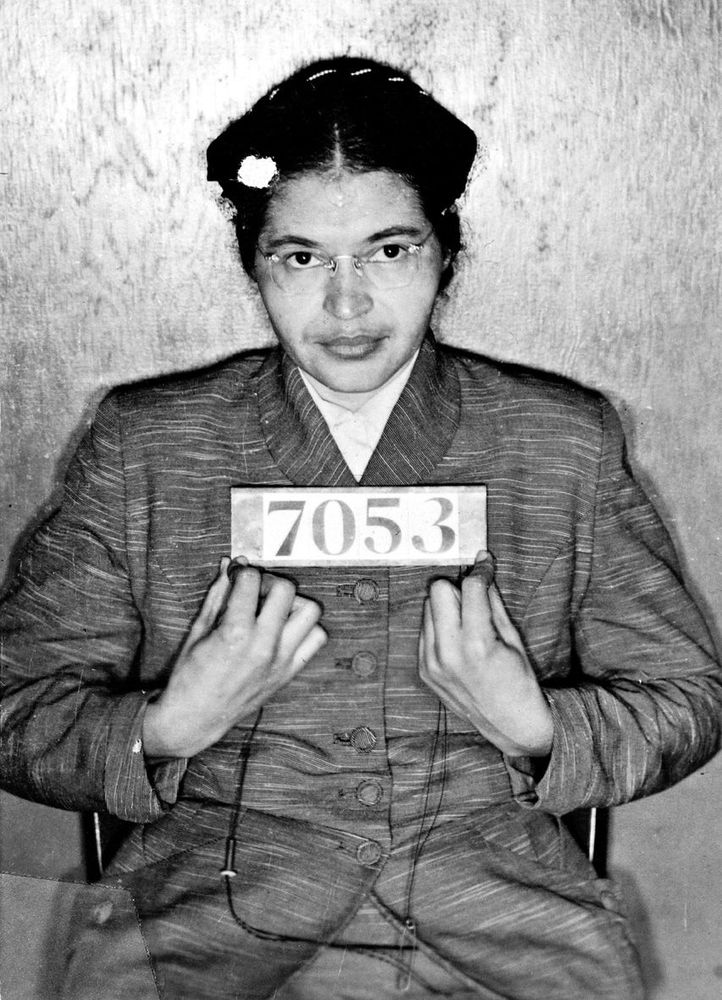
Rosa Parks Museum Reflects on Her Legacy on the Anniversary of Rosa Parks' Arrest
On December 1, 1955, Rosa Parks got on a bus. After paying her fare, she sat in the “colored” section of the bus, but as the white-only seats filled up, the bus driver asked Ms. Parks and three other people to move. She refused and was arrested. With that, the Montgomery Bus Boycott began.
By Rebecca Seung-Bickley
Is the FBI Setting the Stage for Increased Surveillance of Black Activists?
A recently leaked FBI “Intelligence Assessment” contains troubling signs that the FBI is scrutinizing and possibly surveilling Black activists in its search for potential “extremists.”
By Thaddeus Talbot, Hugh Handeyside, Malkia Cyril

Lisa McNair Talks Race and Racism on the Anniversary of the 16th Street Baptist Church Bombing
On September 15, 1963, KKK members planted dynamite during Sunday service at the 16th Street Baptist Church, killing four young girls. This attack marked a turning point during the Civil Rights Movement. We spoke with Lisa McNair, sister of one of the girls, to discuss the importance of remembering.
By Rebecca Seung-Bickley

ICYMI: July and August Roundup
In case you missed it, here are a few highlights and headlines from the past few months regarding the ACLU and our work here in Alabama.
By Rebecca Seung-Bickley

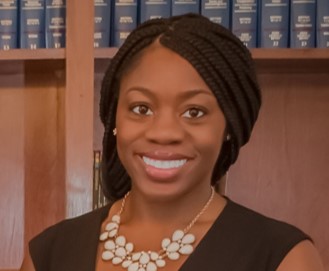
Development Director JaTaune Bosby Shares Her Work Experience for #BlackWomensEqualPay Day
Black Womens Equal Pay Day represents how long it would take for a black woman to make the same amount of money that the average white man made in 2016. Comparatively, black women make 63 cents on the dollar.
By JaTaune Bosby Gilchrist
Stay Informed
Sign up to be the first to hear about how to take action.
By completing this form, I agree to receive occasional emails per the terms of the ACLU’s privacy statement.
By completing this form, I agree to receive occasional emails per the terms of the ACLU’s privacy statement.