
To the Editor, in response to “Why Neutral Maps Could Empower Black Voters as Much as the Voting Rights Act,” a piece published by the New York Times newsletter, The Tilt, on May 19th.
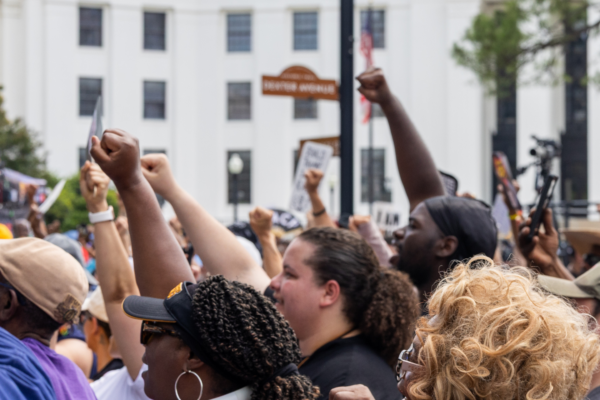
To reduce the impact of the Supreme Court’s recent Callais decision — which struck down Louisiana’s congressional map as an unconstitutional racial gerrymander and further eroded the Voting Rights Act of 1965 — to partisan politics offers an incomplete picture. We are witnessing the deliberate dismantling of districts that gave Black communities an opportunity to elect candidates of their choice.
This isn’t a fight to gain partisan advantage.
It is a fight over whether Black Americans can exercise their political power. History matters. The 15th Amendment, ratified in 1870, prohibited denying the right to vote based on race. The Voting Rights Act put that amendment into practice. In 1986, the Supreme Court’s Gingles decision expanded the act to provide a framework for drawing districts that represented historically marginalized communities.
The rush to redraw maps across Southern states demonstrates what advocates warned would happen if the Voting Rights Act were further weakened, proving why voting protections were needed in the first place. There are still too many people in power who do not want Black voters to have an equal voice in our democracy.
For decades, the Voting Rights Act recognized a basic truth: Race has shaped political exclusion in America. Pretending otherwise doesn’t make discrimination disappear. States are weaponizing the court’s decision to silence Black voters — let’s not waste time on hypotheticals.
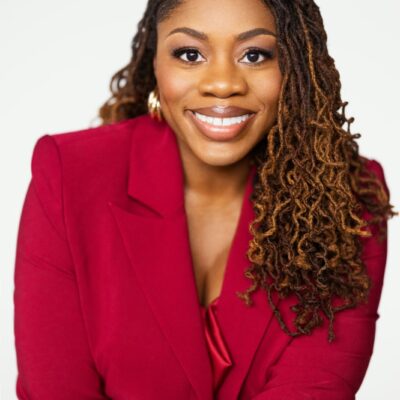
JaTaune Bosby Gilchrist
Montgomery, Ala.
Read JaTaune's letter to the editor at the New York Times here.