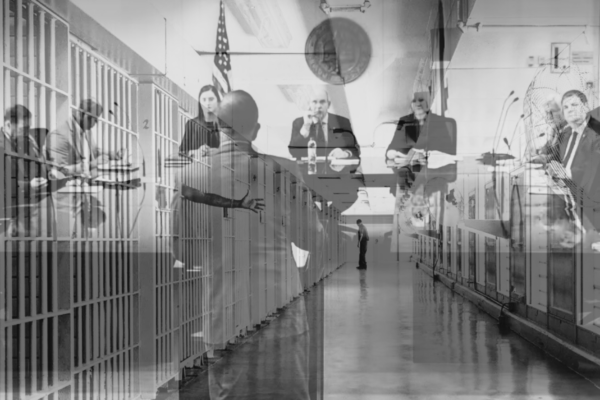


There are places where survival becomes the story. Alabama’s prisons are one of them. Overcrowding, chronic understaffing, crumbling infrastructure, rampant violence, and widespread drug availability have created conditions so severe that the U.S. Department of Justice declared Alabama’s prison system for men unconstitutional. The Alabama Department of Corrections (ADOC) must be held accountable for these conditions and chart a path towards effective change.
The Dark History of Alabama’s Prison System
In 2017, a federal court found that Alabama was failing to provide constitutionally adequate mental health care to people in its prisons. The court described the system as "horrendously inadequate," linking it to a skyrocketing suicide rate among incarcerated individuals. Rather than implementing meaningful reforms, the ADOC spent millions fighting the ruling in court. Meanwhile, during a 15-month period of that litigation, 15 incarcerated Alabamians died by suicide. This year, the Eleventh Circuit upheld the district court's decision, affirming that Alabama's prison mental health system violates the Eighth Amendment.
The constitutional violations extend far beyond mental health care. In 2020, the federal government sued Alabama for violating the Eighth and Fourteenth Amendments, citing extreme violence and unsafe conditions. Nearly half of all deaths in ADOC custody were the result of homicide, suicide, or fatal overdose. Alabama remains the only state in the nation facing two systemwide lawsuits from the U.S. Department of Justice over unconstitutional prison conditions.
Real People, Real Stories
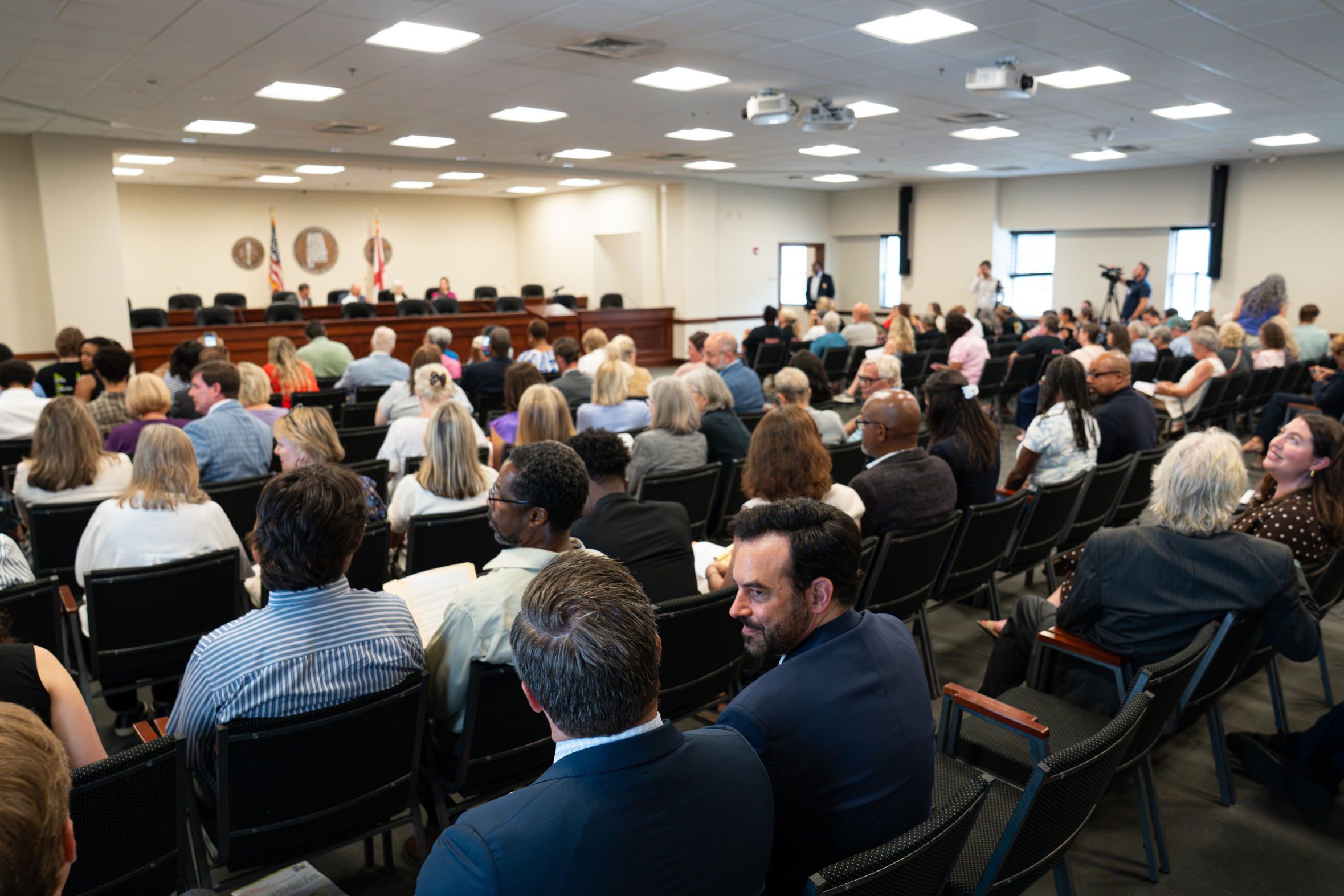
This week, I attended the Alabama Joint Prison Oversight Committee (JPOC) meeting, where the families of currently incarcerated people shared firsthand accounts of violence, neglect, corruption, and preventable deaths inside ADOC facilities. Throughout the hearing, the same themes reemerged: inadequate mental health care, medical neglect, and unchecked violence.
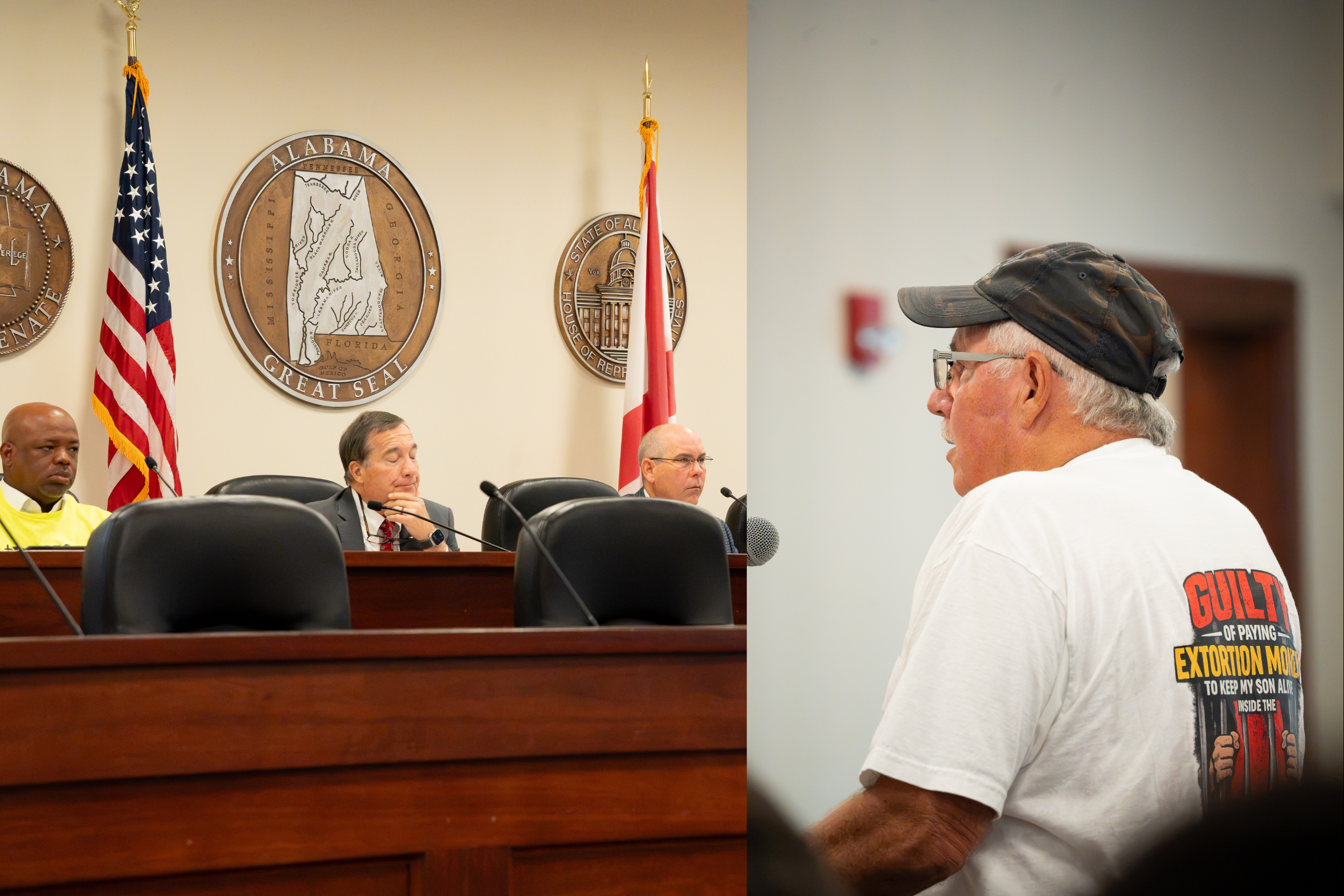
Three testimonies illustrated how horrendous Alabama's prison crisis is. Ms. Baker recounted the death of her brother, who died in a prison mental health unit. ADOC reported that he died of natural causes, yet, according to Baker, no autopsy or toxicology report was performed. When his body was returned to the family, Baker said he was severely bruised, beaten, and disfigured. "What they did to him was horrific and inhumane," she testified. "He would have gotten better care at an animal shelter." After viewing photographs of the deceased, Representative Chris England remarked, "I'm not a forensic pathologist, but that doesn't look like natural causes to me."
Mr. Mathis spoke about losing his son while he was in ADOC custody. "I lost my child in this place," he said. "He was put into the State of Alabama's custody to be cared for, looked after, and rehabilitated. Those words don't even enter this system." Formerly incarcerated Alabamian Carl Green described surviving in a system with virtually no medical care or security. He told lawmakers that incarcerated people often had to treat one another's injuries because medical staff were unavailable. "We had to use paper clips to sew people up," he said. "The medical staff is short, security is so poor, and the conditions are so horrible. It's like living in a dungeon."
These stories are merely highlights of the vile conditions of the Alabama carceral system. From the rampant violence inside the facilities to the inability to represent oneself during the parole process, reform is needed now—not later.
From Advocacy to Action
At the ACLU of Alabama, we are committed to fighting for and protecting the rights of incarcerated people in our state. From our most recent Death Capital report to the legislation that we supported during the 2026 Legislative Session, we will always choose people—not prisons. This work, however, cannot be done alone. The changes that are being implemented by the JPOC are happening because every day Alabamians are showing up to tell lawmakers about what’s happening behind those bars. We need you to continue to show up. Show up at the People’s House. Show up to the prison oversight meetings. Show up to one of our parole initiative events, Atoning Alabama. Contrary to what some politicians would have you believe, there is still strength in numbers.
The fight for reform in Alabama’s prison system must continue, not only for those who remain incarcerated, but for the families who have lost loved ones and for every community impacted by a broken system. Through advocacy, legislation, and the stories of those impacted the most, change will come.